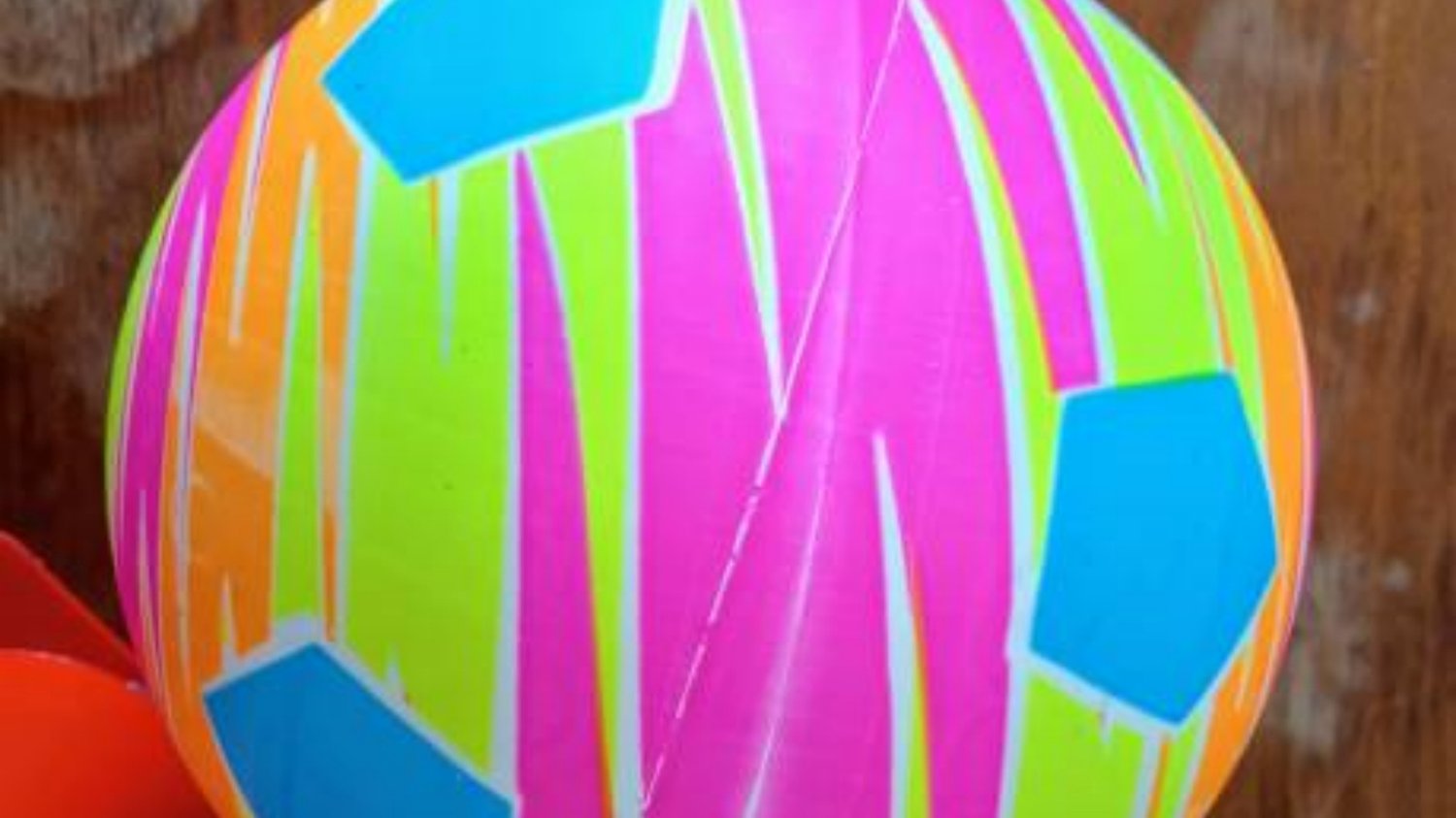
Non-toxic soft playground balls are designed specifically with children's safety and comfort in mind. Unlike traditional playground balls made from harmful chemicals or rigid materials, these balls use safe, eco-friendly substances that do not emit toxins or irritants. Their softness minimizes the risk of injury during play, making them an ideal choice for both indoor and outdoor environments where children are active.
Materials That Define Non-Toxic Soft Playground Balls
The core of non-toxic soft playground balls lies in the materials used. Commonly, these balls are manufactured using BPA-free, phthalate-free, and latex-free polymers, ensuring no exposure to harmful chemicals. Many also utilize natural rubber alternatives and plant-based compounds to support sustainability. This commitment to pure materials helps maintain a safe play environment for young children and reduces environmental impact.
Health Benefits Associated with Non-Toxic Soft Playground Balls
Playing with non-toxic soft playground balls reduces health risks related to allergens, skin sensitivity, and chemical exposure. Since these balls are free from synthetic toxins, children with eczema or asthma can enjoy playtime without exacerbating their conditions. The gentle texture also avoids bruises and impacts that can occur with harder balls, promoting overall physical well-being.
Safety Standards and Certifications to Look For
When selecting non-toxic soft playground balls, it is essential to consider products that have been certified by reputable organizations. Certifications such as ASTM F963, CPSIA compliance, and EN71 indicate that the balls meet strict safety and toxicity standards. These certifications guarantee that the balls are tested extensively for choking hazards, chemical safety, and durability for active children's use.
Environmental Impact of Non-Toxic Soft Playground Balls
Choosing non-toxic soft playground balls also supports environmental sustainability. Many manufacturers prioritize eco-friendly production processes, using biodegradable markers and recyclable components. By opting for balls made from sustainable materials, consumers contribute to reducing plastic waste and chemical runoff, promoting a healthier planet for future generations.
Durability and Longevity Without Compromising Safety
Despite being soft, non-toxic playground balls maintain impressive durability to withstand rough play. Their resilient construction ensures they do not easily burst, deform, or lose their softness over time. This balance between softness and strength means these balls provide long-lasting value while preserving their safe and gentle nature for children’s active use.
Design Innovations in Non-Toxic Soft Playground Balls
Modern non-toxic soft playground balls feature innovative designs that enhance usability and engagement. Bright colors, textured surfaces, and varied sizes stimulate sensory development and motor skills in children. Some balls also incorporate non-slip coatings or water-resistant properties, expanding their functionality for different play areas and weather conditions.
Applications in Different Play Environments
Non-toxic soft playground balls are versatile tools used in a variety of play settings. From preschools and daycares to home playrooms and therapeutic centers, these balls support collaborative, imaginative, and physical play. Their soft texture makes them suitable even for younger toddlers or children with special needs who require gentler play equipment.
Tips for Maintenance and Cleaning
Maintaining cleanliness of non-toxic soft playground balls is essential to ensure hygiene and safety. Since these balls are made with materials that resist chemical degradation, they can be cleaned using mild soap and warm water without damage. Regular wiping and intermittent deep cleaning prevent the buildup of germs and prolong the balls’ lifespan, making them safe for repeated use.
Choosing the Right Non-Toxic Soft Playground Balls for Your Needs
Selecting the most appropriate non-toxic soft playground balls depends on age group, intended use, and safety priorities. Consider balls with smaller diameters for infants to reduce choking hazards, and opt for multi-pack sets to encourage group play. Additionally, verify that the balls meet all required health and safety certifications to provide peace of mind when children are engaged in active play.
Quote Inquiry
contact us