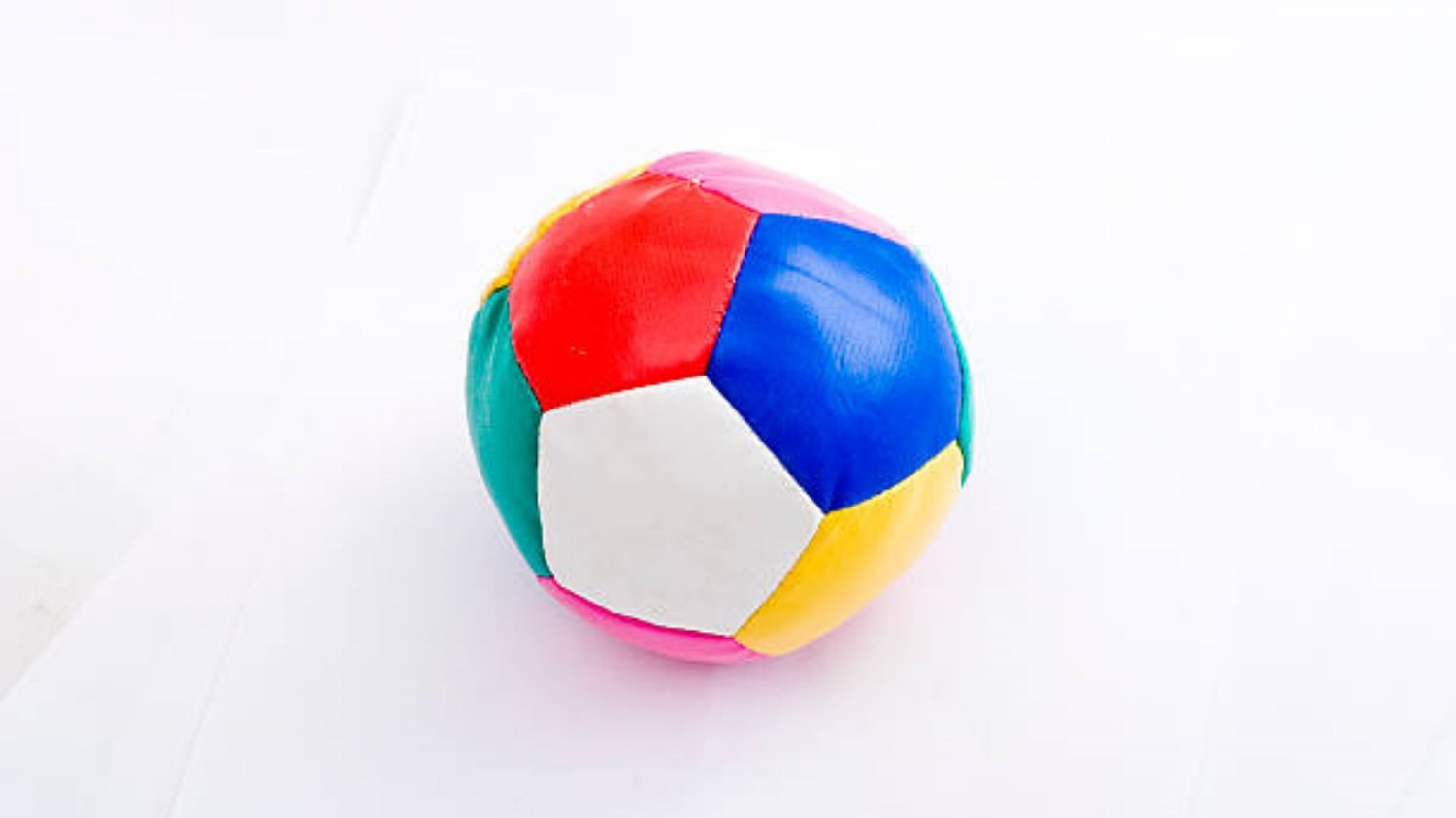
Non-toxic PVC playground balls are revolutionizing the way children play safely. These balls are made from polyvinyl chloride (PVC) that meets stringent safety standards, ensuring no harmful chemicals are released. Parents, educators, and playground designers seek these non-toxic alternatives to guarantee healthier play environments. With increasing concerns about toxic materials in children's toys, non-toxic PVC playground balls offer peace of mind without compromising fun.
Why Non-toxic Materials Matter in Playground Balls
Children frequently put playground balls in their mouths, making material safety crucial. Traditional PVC may contain harmful plasticizers or heavy metals, which can pose health risks with prolonged exposure. Non-toxic PVC playground balls eliminate these threats by using safer ingredients, reducing risks of allergies, respiratory problems, and toxic exposure. This makes non-toxic PVC playground balls essential for early childhood settings and homes.
Material Composition of Non-toxic PVC Playground Balls
Non-toxic PVC playground balls are manufactured using phthalate-free and lead-free PVC compounds. Advanced production techniques ensure stability and durability without compromising safety. These balls often undergo certifications such as EN71, ASTM F963, and CPSIA compliance, proving their non-toxic nature. The commitment to non-toxic PVC guarantees quality and safety, especially in environments with infants and toddlers.
Durability and Safety Combined
Beyond safety, non-toxic PVC playground balls are designed to endure rigorous play. Their flexible yet sturdy structure resists punctures and deformation, maintaining shape and usability over time. This durability ensures fewer replacements and sustained safety since worn or cracked balls can expose harmful inner materials. Choosing non-toxic PVC playground balls supports both long-term investment and child protection.
Environmental Benefits of Non-toxic PVC Playground Balls
Sustainability is a growing concern in toy manufacturing. Non-toxic PVC playground balls often employ eco-friendlier processes and materials that reduce environmental impact. Many manufacturers prioritize recyclability and minimal use of harmful additives. By selecting non-toxic PVC playground balls, consumers contribute to a healthier planet while promoting safer play environments for children worldwide.
Designs and Colors Suited for Developmental Play
Non-toxic PVC playground balls come in various vibrant colors and sizes that stimulate sensory development and coordination. Bright hues enhance visual tracking skills, while appropriate sizing supports motor skill refinement. Thanks to non-toxic dyes and inks, these balls pose no risk of skin irritation or toxicity, making them ideal tools for both fun and educational play.
Comparing Non-toxic PVC Playground Balls with Other Materials
While rubber, foam, and traditional plastic balls have been common, non-toxic PVC playground balls offer a balanced combination of safety, durability, and affordability. Unlike foam, PVC provides more bounce and resilience. Compared to rubber, non-toxic PVC can be manufactured without allergens such as latex. These factors make non-toxic PVC playground balls a preferred choice for inclusive play areas.
Maintenance and Cleaning of Non-toxic PVC Playground Balls
Hygiene plays a vital role in the safety of playground equipment. Non-toxic PVC playground balls are easy to clean with mild soap and water without degrading the material. Their resistance to mold and bacteria buildup reduces illness transmission among children. The non-toxic nature ensures that cleaning agents won’t interact negatively, preserving the balls’ integrity and child safety.
Applications in Various Play Settings
Non-toxic PVC playground balls are versatile for use in schools, daycare centers, therapy sessions, swimming pools, and recreational facilities. Their buoyancy and light weight also make them suitable for water play, sensory activities, and group games. This adaptability allows caregivers and educators to integrate safe physical activity with developmental goals effectively.
Buying Guide: Choosing Quality Non-toxic PVC Playground Balls
When purchasing non-toxic PVC playground balls, look for certifications indicating compliance with safety standards such as ASTM and EN71. Also, verify the absence of harmful phthalates, lead, and BPA in product descriptions. Opt for reputable brands transparent about sourcing and manufacturing. Considering factors such as size, color, and texture can tailor the choice to the intended play environment for maximum benefit.
The Future of Safe Play with Non-toxic PVC Playground Balls
As awareness of childhood safety grows, the demand for non-toxic PVC playground balls is expected to rise. Innovations in materials and eco-conscious manufacturing will continue improving product quality and safety. By prioritizing non-toxic options, the playground equipment industry contributes to healthier childhood development, creating safer and more enjoyable play spaces worldwide.
Quote Inquiry
contact us