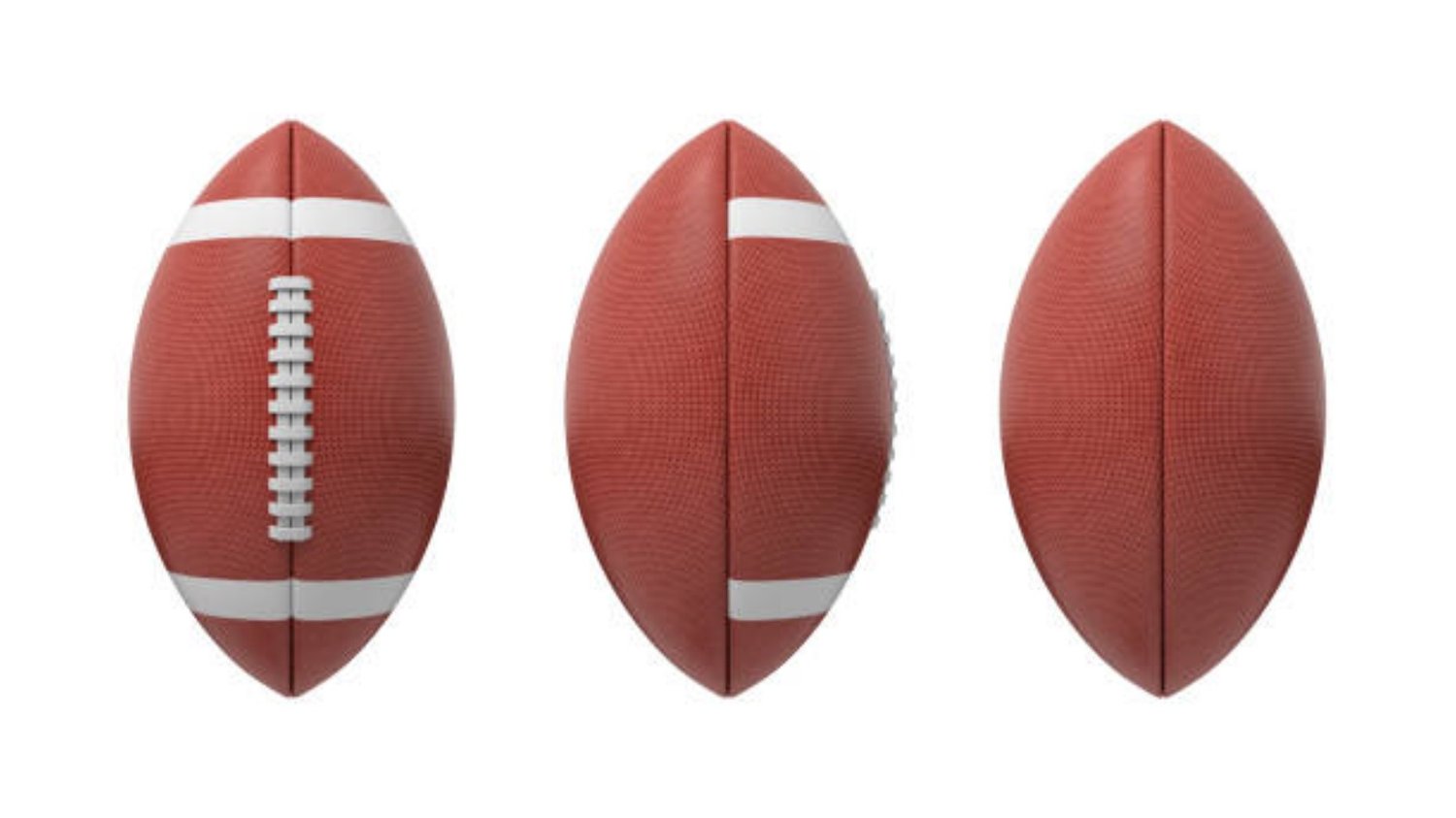
Understanding the Importance of Proper Rubber Football Maintenance
Rubber Football Maintenance Tips are essential to keep your football in optimal condition and extend its lifespan. Proper care ensures that the ball maintains its shape, grip, and overall integrity, resulting in better performance during play. Neglecting maintenance can lead to premature wear, affecting bounce consistency and handling.
Cleaning Your Rubber Football: Best Practices
Regular cleaning is a fundamental aspect of rubber football maintenance tips. Use a soft cloth or sponge with mild soap and water to remove dirt and debris after each use. Avoid harsh chemicals as they can degrade the rubber surface. Proper cleaning prevents dirt buildup, which can impact grip and handling.
Storing Your Football Correctly to Prevent Damage
Correct storage is a vital component of rubber football maintenance tips. Store the ball in a cool, dry place away from direct sunlight to avoid rubber deterioration. Prolonged exposure to heat or UV rays can cause the material to crack or become brittle, shortening the football’s usable life.
Maintaining Optimal Air Pressure for Performance
Air pressure plays a crucial role in rubber football maintenance tips. Check the inflation regularly with a pressure gauge to ensure it matches the manufacturer’s recommended levels. Under-inflation can reduce bounce and control, while over-inflation increases the risk of ruptures or seams splitting.
Inspecting for Wear and Tear: Early Detection
Routine inspection is essential among rubber football maintenance tips. Examine the football for signs of wear, such as cracks, splits, or peeling rubber. Early detection allows for timely repairs or decisions to replace the ball, preventing unexpected failures during games or practice.
Repairing Minor Damages to Prolong Football Life
If minor damages are found, some of the rubber football maintenance tips include performing simple repairs. Use adhesive patches or rubber cement designed for sports equipment to fix small tears or holes. Proper repairs can significantly extend the ball’s life and maintain its functionality.
Avoiding Excessive Rough Surfaces During Play
Playing on rough or abrasive surfaces accelerates wear, making it a key consideration in rubber football maintenance tips. Surfaces like concrete or rocky grounds can cause scuffing and damage to the rubber shell. Whenever possible, use the ball on grass or turf fields to protect its outer layer.
Rotating Balls to Reduce Uneven Wear
Rotation is an often-overlooked aspect of rubber football maintenance tips. If you have multiple balls, rotate their use to ensure even wear and tear over time. This practice helps keep all balls in better condition and avoids overusing a single ball, which may lead to quicker degradation.
Conditioning the Rubber to Retain Flexibility
Conditioning the rubber periodically is an advanced rubber football maintenance tip. Special rubber conditioners or silicone sprays can be applied sparingly to maintain softness and flexibility, preventing the surface from drying out or becoming brittle, especially in dry climates.
Understanding When to Replace Your Rubber Football
Recognizing the end of a football’s usable life is crucial. Despite following rubber football maintenance tips, each ball has a finite lifespan. Replace your football when repairs become frequent or performance decreases noticeably, ensuring safety and the best playing experience.
Quote Inquiry
contact us